Published
The short answer
A medical care concerns question needs a review of the actual event, records and applicable legal framework. This guide separates common scenarios so you can identify useful evidence and the qualifications that can change the answer. Michael P. Minuti offers a free evaluation; no claim, coverage or outcome is guaranteed.
18 Del. C. §§ 6852–6856 — informed consent, expert requirements and limitations
Legal framework and qualifications
Delaware medical-negligence claims require more than a disappointing outcome. Chapter 68 addresses proof, including expert and affidavit-of-merit requirements with statutory qualifications. The treatment records, applicable standard, causation and supported harm need professional review rather than a conclusion drawn from symptoms alone.
Section 6856 supplies a medical-negligence limitation framework with specific exceptions and procedures. Do not substitute the general personal-injury deadline or assume every claim starts when a problem is diagnosed. A records request, complaint to a facility or ongoing treatment does not automatically preserve the time to file.
18 Del. C. §§ 6852–6856 — informed consent, expert requirements and limitations
Serious diagnosis after a Delaware emergency-room discharge: what to gather
A later diagnosis can raise questions about earlier care, but the sequence does not itself prove negligence. What clinicians knew or should have evaluated at the earlier visit and whether a different response would have changed the harm require expert review.
Identify all facilities, visit dates, symptoms reported and discharge instructions. Request records through appropriate procedures and preserve later diagnosis information. Do not assume a missing detail in your recollection was also missing from the clinical record.
Michael can evaluate whether medical review is appropriate and what records are needed. A free consultation can address timing without promising that a later diagnosis establishes malpractice. Continue to seek medical care based on your clinicians' advice.
18 Del. C. §§ 6852–6856 — informed consent, expert requirements and limitations
Delaware surgical complication discovered later: timing and records
A complication appearing after surgery may reflect a recognized risk, another cause or possible negligence. Distinguishing those possibilities requires records and qualified assessment. Discovery of the problem does not settle the filing deadline.
Gather operative reports, consent information, follow-up notes and the date you learned of the concern. Include other treatment that may be relevant. Do not ask a provider to label something malpractice simply to support a claim.
Michael can review potential expert needs and § 6856 timing questions. A free evaluation can identify the next steps before relying on a generic deadline. Neither the complication nor its delayed discovery guarantees a supported lawsuit.
18 Del. C. §§ 6852–6856 — informed consent, expert requirements and limitations
Medication error suspected after a Delaware hospital transfer
A medication concern may involve prescriptions, administration, reconciliation or communication between facilities. The transition alone does not establish which provider caused harm. The record should identify actual doses, instructions and medical effects.
Keep discharge lists, pharmacy information, transfer records and subsequent treatment notes. Record what you took or were told without guessing at unfamiliar doses. Do not stop or change medication based on this article; discuss immediate safety concerns with a clinician.
Michael can assess whether the evidence supports further expert review and which facilities' records matter. A free consultation does not establish causation from a discrepancy alone. Bring the timeline and any written response to a reported medication concern.
18 Del. C. §§ 6852–6856 — informed consent, expert requirements and limitations
Delaware procedure risks not explained: informed-consent questions
A patient may have questions about whether material risks and alternatives were explained before a procedure. Delaware's informed-consent provisions require individual review. An unfavorable outcome or missing personal recollection does not by itself decide whether consent was legally adequate.
Preserve consent documents, pre-procedure notes and communications about options. Record the information you remember receiving and the questions you asked. Include whether the procedure occurred in an emergency without assuming the same rules apply to every setting.
Michael can review the consent framework and whether expert assessment is needed. A free evaluation can distinguish disclosure concerns from a claim about negligent performance. Do not rely on a signed form alone or its absence alone as a complete answer.
18 Del. C. §§ 6852–6856 — informed consent, expert requirements and limitations
Delaware medical records delayed while you consider a claim
Waiting for records can be frustrating when you are unsure whether a medical injury supports legal action. A request to a provider is not a substitute for reviewing the filing deadline or potential affidavit requirements.
Keep copies of requests, dates, responses and facility names. Save the records already available rather than delaying a consultation until every chart arrives. Identify the treatment, suspected harm and when you learned of the concern.
Michael can review timing and evidence needs while records remain incomplete. Do not assume a facility's delay pauses every legal requirement. A free consultation can address procedural questions without promising that the incomplete file will support malpractice.
18 Del. C. §§ 6852–6856 — informed consent, expert requirements and limitations
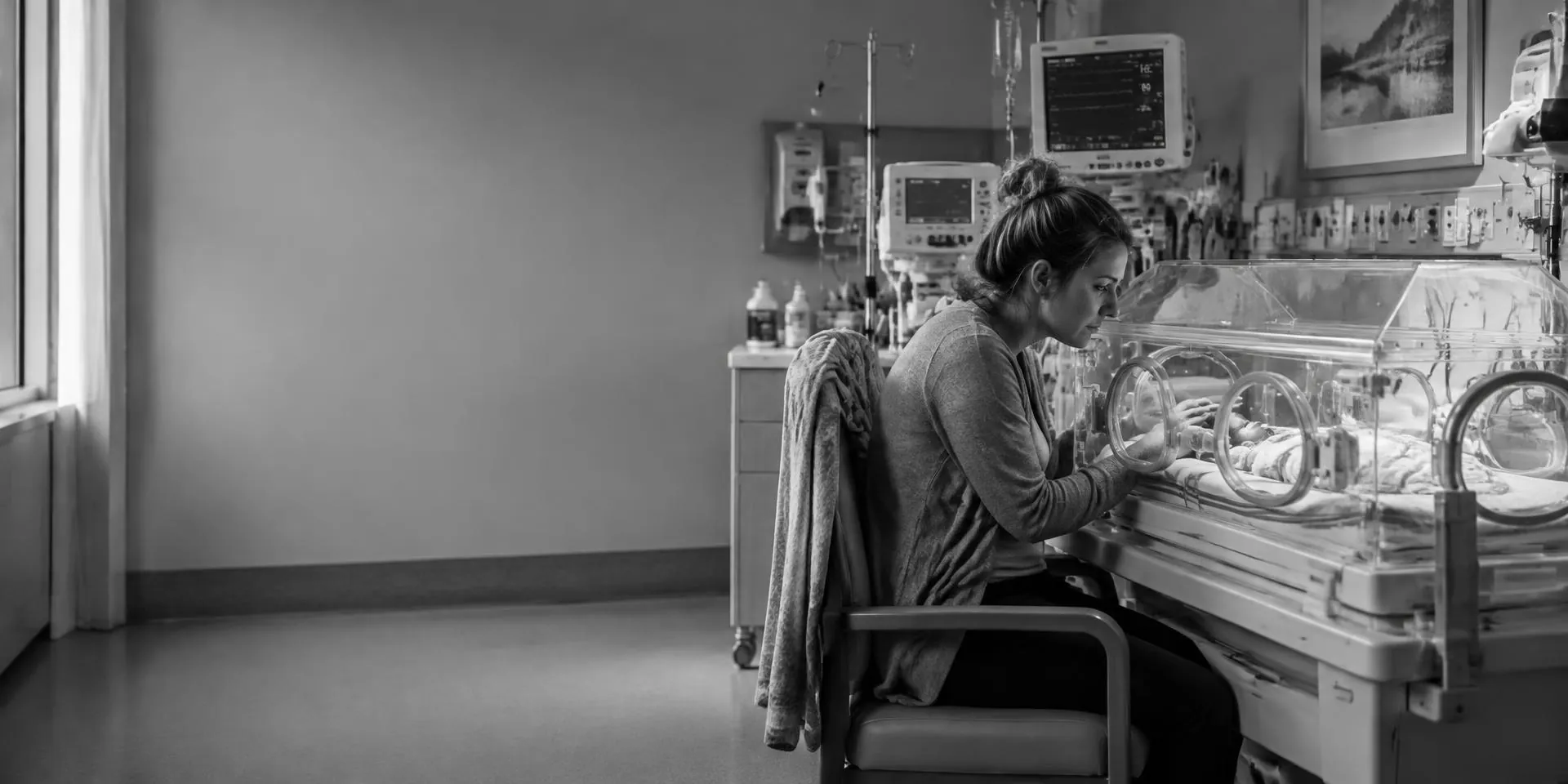
Delaware birth-injury concern: building the mother and child's timeline
An unexpected injury around delivery can leave a family searching for answers. A diagnosis does not itself establish that prenatal, delivery or newborn care was negligent. The review may require records for both parent and child and specialized medical expertise.
Identify prenatal providers, delivery facility, dates, monitoring records when available and later assessments. Keep discharge instructions and current treatment information. Avoid substituting a family recollection for clinical data or assuming every developmental concern began during delivery.
Michael can review whether further medical assessment is appropriate and what timing questions apply. Minor-related exceptions require individual analysis rather than a universal deadline. A free evaluation does not promise that a difficult birth supports a successful claim.
18 Del. C. §§ 6852–6856 — informed consent, expert requirements and limitations
Delaware infection after medical care: negligence is not automatic
An infection following treatment can involve many causes. The sequence alone does not establish preventability, a breach of the standard or legal causation. Qualified review needs information about symptoms, care and the relevant clinical context.
Keep treatment dates, procedure information, culture results when available and follow-up records. Record when symptoms appeared and how concerns were reported. Seek medical advice for health decisions rather than waiting for a legal opinion.
Michael can assess potential expert review and filing questions. A free evaluation can help identify relevant records without labeling every infection a malpractice injury. Include other conditions or treatments honestly so the assessment is not based on an incomplete history.
18 Del. C. §§ 6852–6856 — informed consent, expert requirements and limitations
Delaware delayed follow-up after an abnormal test: reviewing communications
A concern about delayed follow-up may involve what a test showed, who received it and what response was appropriate. An abnormal result does not alone prove that a particular delay caused additional harm.
Preserve test reports, portal messages, call records and referral information. Note when you learned of the result and what instructions you received. Do not change screenshots or infer that a provider saw a message merely because it was sent.
Michael can review the timeline and whether expert evidence is needed on standard of care and causation. A free consultation can address the records and timing without promising that a missed call or delay supports a claim.
18 Del. C. §§ 6852–6856 — informed consent, expert requirements and limitations
A practical first-conversation checklist
For this medical care concerns concern, start with the incident or treatment timeline, the people and organizations involved, and the written response you have received. Identify the specific issue you need help with rather than trying to calculate a settlement from an online example. Keep original records and mark uncertain details as uncertain.
Tell Michael about any proposed agreement, hearing notice, filing concern or urgent decision. Bring available documents, not a perfect file. Preserve evidence only through safe and lawful means; care and immediate safety take priority over photographs or paperwork.
18 Del. C. §§ 6852–6856 — informed consent, expert requirements and limitations
Ask Michael for a free case evaluation
Michael P. Minuti of McCann Dillon Jaffe & Lamb, LLC reviews injury matters throughout Delaware from his Wilmington office at 222 Delaware Avenue, Suite 1005. Call him directly at 302-290-4646 or use the free case evaluation form to request follow-up. Explain what happened and the concern that matters most to you.
The evaluation is free. No attorney fee is due unless money is recovered; expenses and representation terms are discussed in the written agreement. Do not include detailed confidential information or medical files in the initial form. A submission does not create an attorney-client relationship, and no outcome or timetable is guaranteed.
18 Del. C. §§ 6852–6856 — informed consent, expert requirements and limitations
Sources & further reading
This article provides general information, not legal advice. Laws and procedures can change; deadlines and available claims depend on individual circumstances. No result is guaranteed.