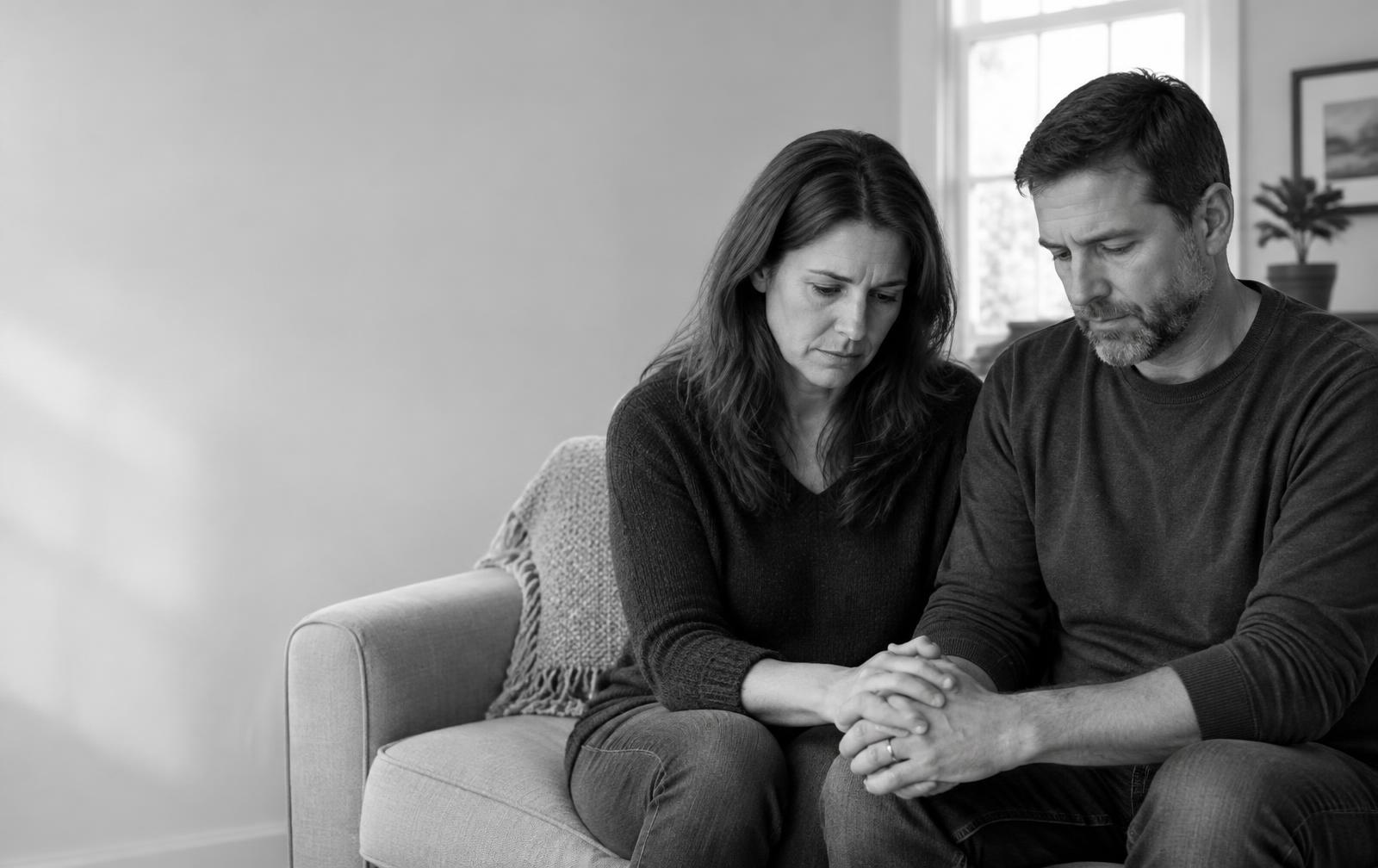
Delaware Wrongful Death Lawyer

Wrongful Death. Your family deserves answers.

Losing someone you love can leave your family facing grief, unanswered questions, and an uncertain financial future. When another person's wrongful act may have caused the death, I help Delaware families investigate what happened and understand their options—with direct access to me throughout the process.

Free consultation

What matters now

Make room for your family. Let me examine the legal questions.

You do not have to know whether a lawsuit is possible before calling. I start by listening, identifying the relevant records, and evaluating whether the evidence supports a claim under Delaware law. A civil wrongful-death case concerns legal responsibility and compensation; it is separate from any criminal investigation.

01

Keep the records you already have

Save incident and police report information, medical records, insurer letters, photographs, and witness details. Keep funeral invoices and financial records that help explain the family's losses. You do not need a complete file before speaking with me.

02

Preserve evidence before it disappears

Video, electronic vehicle data, equipment, and facility records may be important. I can identify who controls that evidence and pursue appropriate preservation requests. Do not assume that an insurer or a criminal investigation will preserve everything needed for a civil claim.

03

Review the parties and deadlines early

Who can benefit from a claim, who should bring it, and whether estate proceedings are needed depend on Delaware law and the facts. Filing deadlines can vary with the underlying claim, including medical negligence. Contact me promptly rather than relying on another state's deadline or waiting for an investigation to conclude.


Delaware law and your family

The family's claim and the estate's claim are different.

Delaware recognizes a wrongful-death claim for qualifying beneficiaries and, where supported, a separate survival claim for losses belonging to the person who died. Understanding that distinction helps identify the proper parties and the evidence needed for each claim.

Who benefits from the claim?

Under 10 Del. C. § 3724, a wrongful-death action is for the benefit of the deceased person's spouse, parents, children, and siblings. If none qualify, relatives by blood or marriage may be beneficiaries. The statute permits only one wrongful-death action for a person's death, so family claims need to be coordinated.

What belongs to the estate?

A survival action under Delaware law may preserve claims the deceased person could have pursued, such as supported losses between injury and death. It is distinct from the family's losses. I review whether an estate representative is needed and which claims the circumstances support.

What must be established?

A death alone does not establish liability. In a negligence case, the evidence must connect a breach of an applicable duty to the death and establish legally recoverable losses. Medical-negligence claims require their own standard-of-care and expert analysis.

The impact of a life lost

Compensation depends on the evidence—not a formula.

No recovery can replace your loved one. A supported claim can address losses recognized by Delaware law, with careful documentation of what the death means for each qualifying beneficiary.

Financial support and services

Delaware law permits consideration of expected financial benefits, lost contributions for support, and lost parental, marital, and household services. Wage records, family circumstances, and appropriate expert analysis can help explain those losses.

Funeral expenses and mental anguish

Reasonable funeral expenses are subject to the statute's limit. Mental-anguish damages have specific eligibility priorities: qualifying spouses and children come first, followed in the circumstances defined by the statute by parents and then siblings. Being a beneficiary does not automatically establish eligibility for every category of damages.

Accountability for serious misconduct

Delaware's wrongful-death statute permits punitive damages only under specified conditions involving malicious intent or reckless, wilful, or wanton misconduct. They are not available merely because an accident was fatal, and neither their availability nor any recovery is guaranteed.

State sources: Delaware wrongful-death law, §§ 3721–3725 · Survival of actions. General information, not legal advice.

How I help

Personal attention when your family needs it most.

At McCann Dillon Jaffe & Lamb, I review the circumstances of the death, identify potentially responsible people or entities, and work to obtain the records needed for a meaningful investigation. Depending on the case, that may involve accident reconstruction, medical experts, employment records, or financial analysis. I evaluate each party's conduct rather than assuming that everyone involved is legally responsible. I also distinguish the family's wrongful-death losses from any separate estate claim, address insurance issues, and prepare supported claims for negotiation or litigation. You can reach me directly at 302-290-4646. My Wilmington office serves families across Delaware, and an initial consultation is free and confidential.

A closer look

Clear answers at a difficult time.

What qualifies as wrongful death in Delaware?

Delaware permits an action against a person whose wrongful act causes another person's death. The statute defines a wrongful act to include an act, neglect, or default that would have allowed the injured person to maintain an action if they had lived. Whether a particular death supports a claim requires evidence and legal review.

Can more than one family member be included?

Yes. Delaware identifies a spouse, parents, children, and siblings as beneficiaries, with other relatives potentially qualifying if none of those people exist. The statute allows only one wrongful-death action for the death. I review the family relationships and coordinate the proper claims; recoverable categories can differ between beneficiaries.

Who might be held responsible?

Depending on the evidence, a claim may involve a negligent driver, a responsible business, a property owner, a healthcare provider, or a product manufacturer. Workplace deaths also raise workers' compensation and third-party questions. Responsibility depends on the conduct, causation, and applicable legal relationships—not simply who was present.

How long do I have to act?

Delaware filing rules depend on the claim and circumstances. Medical-negligence and other special issues can affect the analysis, and a survival claim may involve different timing from a wrongful-death claim. Ask me to review the dates promptly. An ongoing criminal investigation or insurer conversation should not be assumed to pause a civil deadline.

Does there need to be a criminal conviction?

A wrongful-death action is a civil claim, not a criminal prosecution. A criminal conviction is not a general prerequisite to investigating a civil case. The evidence and legal standards must still support liability, and a criminal proceeding does not guarantee a civil recovery.

How much is a wrongful-death case worth?

There is no reliable amount that applies to every family. Liability, available insurance or assets, statutory eligibility, financial support, services, and other supported losses all matter. I can explain the relevant factors after reviewing the circumstances, but cannot promise a result, amount, or completion date.

Start with a conversation

You do not have to sort this out alone. One call is all it takes to get the answers you need.

Stay connected

Michael. Beyond the case.

@yourinjuryguy
Illustrative car collision

From Michael's website

Questions after a Delaware injury?

PIP coverage, filing periods, workers' compensation and railroad claims.

Read Delaware FAQs
Illustrative injured warehouse worker

From Michael's website

A closer look at your options.

Original Delaware injury articles, with legal sources and dates on new posts.

Read Michael's articles

A conversation, not a commitment

Big questions.
One step at a time.

You do not need every answer before you call. Start with what happened and what you need now.

01

Your story

Tell me about the injury and the questions weighing on you.

02

Your options

I review the circumstances and explain what an evaluation involves.

03

Your next step

Decide how to move forward, with no obligation to hire me.

Call Michael

Request a free consultation

Tell me what happened.

Send your information and I will reach out to you personally. Every message comes directly to me — no paralegal, no middleman. Prefer to talk now? Call 302-290-4646.

Submitting this form does not create an attorney-client relationship. Please do not include confidential details until we have spoken.