Delaware Construction Accident Lawyer

Construction Accidents. Your recovery comes first.

A serious jobsite injury can leave you facing surgery, missed paychecks, and uncertainty about returning to work. I help injured people across Delaware investigate construction accidents, pursue available benefits, and identify whether another company should be held accountable.

Free consultation

What matters now

Protect your health before the jobsite changes.

Construction sites move quickly. Scaffolding is taken down, equipment is moved, and hazards can disappear before an injured worker has left the hospital. Early documentation helps explain what happened and who was responsible, without putting you or anyone else at further risk.

01

Get medical help and report the injury

Call 911 for an emergency and seek appropriate medical treatment. Tell your employer or site supervisor what happened as soon as possible and ask how to obtain the incident report. Explain the work-related circumstances to your medical providers and keep copies of treatment records.

02

Preserve the scene and identify the companies

If it is safe, photograph the hazard, equipment, scaffold, or work area. Save witness names, company names, equipment identifiers, and communications about the incident. Do not re-enter a dangerous area or alter machinery. An attorney can seek preservation of footage, inspection records, and other evidence.

03

Have both types of claims reviewed

Do not assume that filing for workers' compensation resolves every legal issue. A separate contractor, delivery company, or equipment manufacturer may also be involved. Contact me to review the employment relationships, available benefits, possible third-party claims, and applicable deadlines before agreeing to a settlement.


Who may be responsible

One jobsite. Several companies. More than one possible claim.

A Delaware construction project may involve a property owner, a general contractor, multiple subcontractors, and outside suppliers. Their presence alone does not establish liability. The investigation needs to identify who controlled the work, who created the hazard, and whose conduct caused the injury.

Contractors and subcontractors

A company other than your employer may create a dangerous condition, operate equipment negligently, or fail to take precautions within its responsibilities. Contracts, work assignments, and site records can help establish each company's role. Employment relationships and any applicable immunity must also be examined.

Property owners and site conditions

An unsafe opening, unstable structure, or other property hazard may warrant a separate review. An owner's responsibility depends on the facts, including control of the site, knowledge of the condition, and the duties owed—not simply ownership of the land.

Equipment makers, vendors, and delivery companies

Defective machinery or tools may support a product-liability investigation. Unsafe material deliveries, careless unloading, or negligent maintenance by an outside company may also be relevant. Preserving the equipment and identifying the companies involved can be critical.

Delaware claims work differently

Workers' compensation and a negligence case are not the same thing.

An injured employee may have a workers' compensation claim and, when the evidence supports it, a separate claim against a responsible third party. These paths need to be evaluated together so an additional claim is not overlooked and any reimbursement issues are addressed.

Work-related benefits

Delaware workers' compensation generally provides benefits for covered work injuries without requiring proof that the employer was negligent. Depending on eligibility, benefits may include medical treatment, wage replacement, and compensation for lasting impairment. Disputes can be heard by the Industrial Accident Board.

A separate third-party claim

Workers' compensation generally replaces an employee's negligence suit against their employer. It does not automatically prevent a claim against a separate, non-immune party whose negligence caused the injury. A supported civil claim may address losses, including pain and suffering, that workers' compensation does not cover.

The full impact of the injury

Brain injuries, spinal injuries, fractures, crush injuries, and burns can change a worker's ability to earn a living. I review treatment, lost income, future care, and lasting limitations while accounting for the different rules governing each available claim. No particular recovery is guaranteed.

How I help

I look beyond the first accident report.

At McCann Dillon Jaffe & Lamb, I examine how the accident happened and the responsibilities of the companies working on the project. That may include reviewing site photographs, witness accounts, contracts, safety records, equipment maintenance, and available video. When appropriate, technical experts can help evaluate the hazard or equipment involved. I assess the Delaware workers' compensation claim and investigate any supported third-party claim separately. I do not assume every contractor is liable or that benefits alone will address the full impact of the injury. I work to document your medical care and losses, address disputes through the appropriate process, and prepare supported claims for negotiation or litigation. You can reach me directly at 302-290-4646 at my Wilmington office while you focus on getting better.

A closer look

Clear answers at a difficult time.

Can I sue my employer after a construction accident?

For a covered employee injury, Delaware workers' compensation generally provides the remedy against the employer instead of a negligence lawsuit. Whether another company can be pursued is a separate question. I review the employment relationships, applicable protections, and facts rather than assuming that every company on the site can be sued.

What if a different subcontractor caused the accident?

A separate subcontractor's negligent work may support a third-party claim, depending on its relationship to you and any applicable immunity. Witnesses, work assignments, contracts, and site records can help establish what the company did and whether it contributed to the injury.

What if the injury involved defective equipment?

A defective tool or machine may warrant a claim against a manufacturer or another responsible company. Poor maintenance or unsafe operation raises different issues. Preserve the equipment and identifying information when possible, and do not repair or discard it before the evidence can be evaluated.

What if I am labeled an independent contractor?

A job title or contract label does not always resolve your legal status. The actual working relationship and Delaware law need to be considered when evaluating benefits and potential claims. Do not assume you have no options simply because a company calls you an independent contractor.

Can I pursue benefits and a third-party case together?

Potentially, yes. A covered work injury and a supported claim against a separate responsible party may proceed through different processes. Workers' compensation payments can create reimbursement or lien issues in a third-party recovery, so the claims need to be coordinated rather than treated as unrelated payments.

What should I bring to a free consultation?

Bring whatever you have: the incident report, site photographs, company and witness names, medical records, benefit correspondence, and a summary of missed work. You do not need a complete file to call. Reporting requirements and filing deadlines vary by claim, so speak with me promptly about your specific situation.

Start with a conversation

You do not have to sort this out alone. One call is all it takes to get the answers you need.

Stay connected

Michael. Beyond the case.

@yourinjuryguy
Illustrative car collision

From Michael's website

Questions after a Delaware injury?

PIP coverage, filing periods, workers' compensation and railroad claims.

Read Delaware FAQs
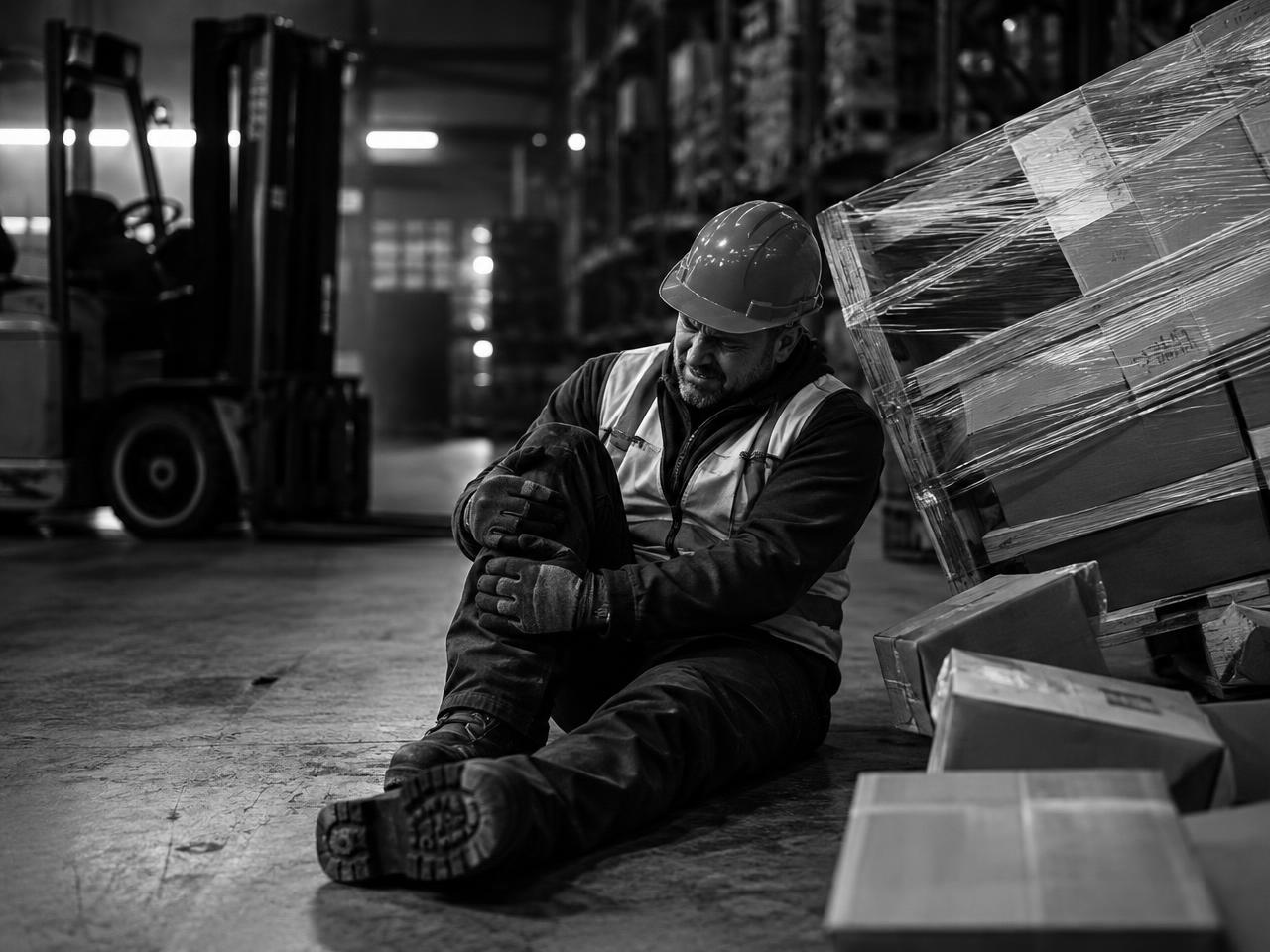
Illustrative injured warehouse worker

From Michael's website

A closer look at your options.

Original Delaware injury articles, with legal sources and dates on new posts.

Read Michael's articles

A conversation, not a commitment

Big questions.
One step at a time.

You do not need every answer before you call. Start with what happened and what you need now.

01

Your story

Tell me about the injury and the questions weighing on you.

02

Your options

I review the circumstances and explain what an evaluation involves.

03

Your next step

Decide how to move forward, with no obligation to hire me.

Call Michael

Request a free consultation

Tell me what happened.

Send your information and I will reach out to you personally. Every message comes directly to me — no paralegal, no middleman. Prefer to talk now? Call 302-290-4646.

Submitting this form does not create an attorney-client relationship. Please do not include confidential details until we have spoken.