Delaware Burn Injury Attorney

Burn Injuries. Your recovery deserves personal attention.

A serious burn can change how you work, move, and live. I help injured people across Delaware investigate fires, electrical incidents, chemical exposure, and other burn injuries, with attention to the treatment and long-term losses that may follow. Speak with me directly at my Wilmington office.

Free consultation

What matters now

Get the care you need. Preserve the answers you may need later.

Your health comes before an insurance claim. Once you are safe and receiving care, early preservation of fire-scene evidence, equipment, photographs, and records can help explain the source of a burn and whether someone else is legally responsible.

01

Seek urgent medical attention

Call 911 for a serious burn, breathing difficulty, or another emergency. Electrical and chemical injuries need prompt medical evaluation. Stay clear of energized equipment, chemicals, and fire-damaged structures, and follow emergency responders' and treating clinicians' instructions rather than attempting unsafe rescue or cleanup.

02

Preserve the scene without putting anyone at risk

Keep photographs taken safely, witness contacts, incident numbers, product information, and existing messages about hazards. Do not repair, discard, or test a suspected product, and do not enter a damaged building. Investigators and qualified experts may need access to the scene or equipment before it changes.

03

Document the recovery and get independent advice

Save medical records, bills, missed-work information, and a record of limitations as recovery progresses. Report workplace incidents promptly under applicable requirements. Before accepting payment or signing a release, have the responsible parties, long-term care needs, and deadlines reviewed. You can call before you have gathered every record.

The cause matters

Different burns. Different paths to accountability.

A fire, electrical contact, chemical exposure, or scalding liquid can cause lasting harm. A serious injury alone does not prove someone was negligent. I investigate the source of the hazard, who had responsibility for it, and whether a breach of duty caused the injury.

Vehicle fires and road accidents

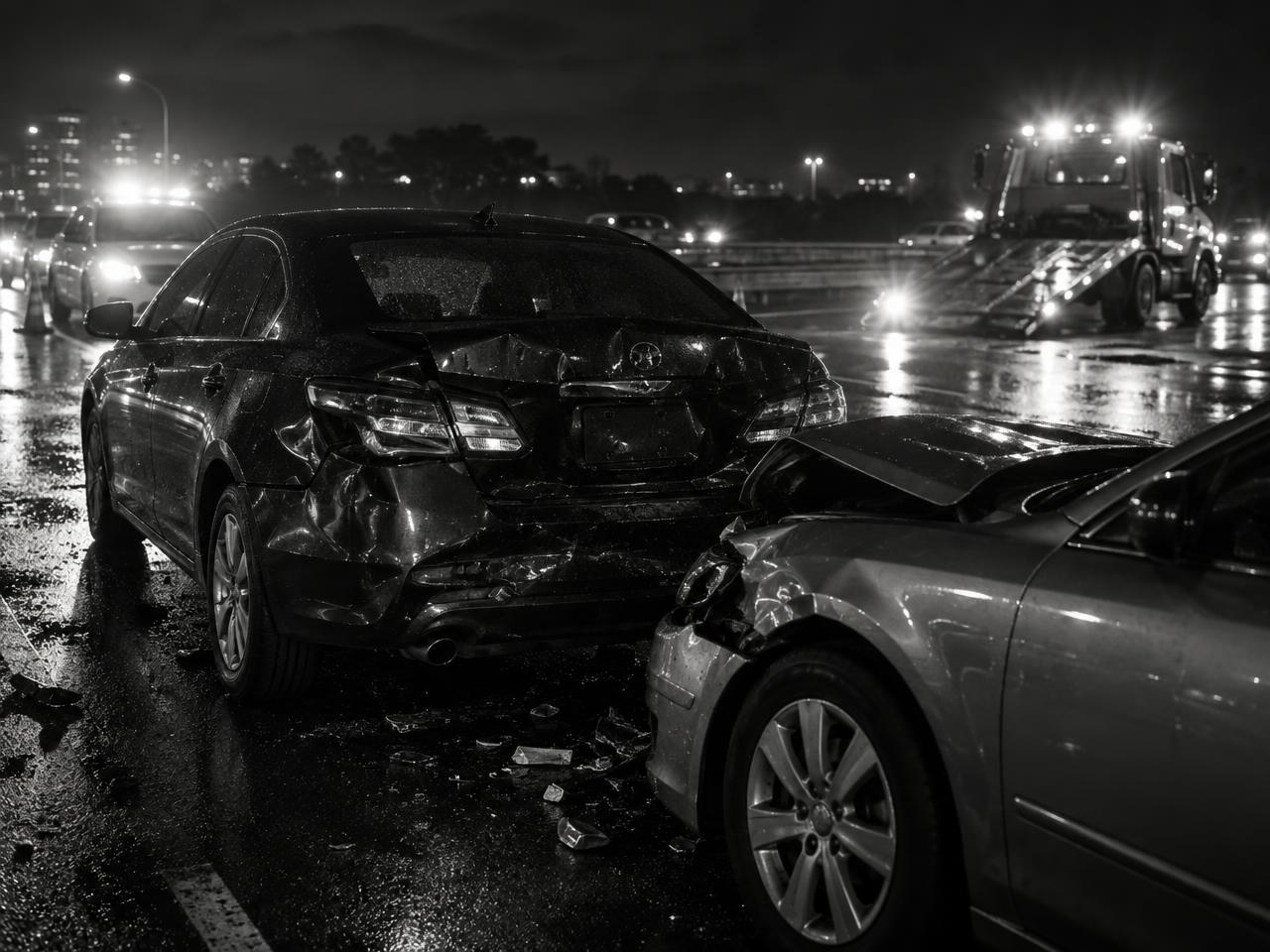
A collision may cause flame, hot-fluid, or friction burns alongside other injuries. Driver conduct, vehicle damage, fire-origin evidence, and possible product failures may all require review. The investigation should distinguish what caused the crash from what caused or worsened the burns.

Car accident claims

Unsafe buildings and property

Faulty wiring, unsafe hot-water systems, gas leaks, or neglected fire hazards may raise questions about an owner, landlord, maintenance company, or contractor. Liability depends on duties, control, knowledge where required, and causation—not simply whose name appears on the deed.

Unsafe-property claims

Defective products

Heaters, appliances, batteries, tools, or chemical containers may warrant a product investigation. Preserve the product, packaging, instructions, and purchase records without handling unsafe items. Delaware product claims require attention to negligence and warranty law rather than importing another state's strict-liability rules.

Industrial and construction burns

Arc flashes, hot equipment, chemical splashes, and explosions can involve workplace benefits and a separate claim against another responsible company. The employer's immunity, the roles of other companies, and reimbursement rights must be reviewed together.

Construction accident claims

Medical care and treatment

Surgical fires, unsafe medical equipment use, or negligent treatment of an existing burn may require medical-negligence review. An adverse outcome does not alone prove malpractice. Records, expert analysis, and Delaware-specific filing requirements matter.

Medical malpractice claims

Railroad workplace injuries

Electrical contact, equipment failures, or hazardous exposure affecting a qualifying railroad employee may fall under FELA instead of ordinary state workers' compensation. Coverage and the applicable negligence or safety-statute standards must be evaluated individually.

Railroad injury and FELA claims

Understanding the injury

The damage can extend beyond what you can see.

Thermal, chemical, electrical, friction, and radiation injuries affect people differently. A medical professional should assess the depth, area, location, and associated injuries. Electrical injuries and smoke inhalation can be serious even when visible skin damage appears limited.

Depth and severity

Superficial burns affect the outer skin layer. Partial-thickness burns extend into the dermis; full-thickness burns destroy the skin's full depth. Some injuries extend into deeper tissues. Do not use a website or pain level alone to judge severity or delay necessary medical care.

Treatment and lasting limitations

Depending on the injury, care may involve surgery, skin grafting, wound care, rehabilitation, or scar management. Infection, nerve damage, reduced movement, and disfigurement are possible complications—not inevitable outcomes. Follow your treating team's recommendations.

The human and financial impact

A supported civil claim may address medical expenses, future care, lost earnings, diminished earning capacity, pain, scarring, and emotional effects linked to the injury. Medical, vocational, and financial evidence help explain these losses. Workers' compensation provides different categories of benefits.

Delaware law

The right claim depends on how you were injured.

Personal-injury filing deadlines

Delaware's general personal-injury limitation period is two years under 10 Del. C. § 8119. Accrual, exceptions, and other claim-specific rules need individual review. Do not wait for treatment to finish or assume insurance negotiations preserve the right to sue.

10 Del. C. § 8119

Work injuries and third parties

For covered employees, workers' compensation generally replaces a negligence suit against the employer. A supported claim against a separate, non-immune party may still be available. Benefits and third-party recoveries must be coordinated because reimbursement rights may apply.

19 Del. C. § 2304 · § 2363

Medical negligence has its own rules

Delaware medical-negligence claims generally have a two-year period under 18 Del. C. § 6856, with narrowly defined exceptions and other statutory provisions. A later diagnosis does not automatically restart the clock. Expert and affidavit-of-merit requirements may also apply.

18 Del. C. § 6856

Relevant Delaware case law

Legal principles that can shape a burn injury claim.

These Delaware Supreme Court decisions explain product liability, causation, and medical-negligence deadlines. Not every decision involves burns. They are legal authorities, not cases presented as Michael Minuti's results or promises about your recovery.

A defective product is not an automatic strict-liability case

Cline v. Prowler Industries of Maryland, Inc., 418 A.2d 968 (Del. 1980). Arising from severe burns after a trailer heater explosion, Cline rejected adoption of strict liability in tort for the sale of defective goods in Delaware. Negligence and applicable warranty theories require their own analysis.

Read Cline

Multiple causes require a careful investigation

Duphily v. Delaware Electric Cooperative, Inc., 662 A.2d 821 (Del. 1995). In a workplace electrical-injury case, the Court addressed proximate and superseding cause, including an immune employer's conduct in a third-party suit. A defendant cannot avoid responsibility merely by pointing to another actor; the governing causation standards matter.

Read Duphily

Discovery does not always restart a medical-negligence deadline

Dunn v. St. Francis Hospital, Inc., 401 A.2d 77 (Del. 1979). Dunn addressed § 6856 and treated the negligent act or omission—not later manifestation of harm—as the starting point under the statute. It is not a burn case; its relevance is the need to assess medical-negligence timing under the current statute and applicable exceptions.

Read Dunn

This is general information, not medical or legal advice. Current law, the incident location, employment status, parties, and specific facts determine which claims and deadlines apply.

How I help

I look at what caused the burn—and what comes next.

At McCann Dillon Jaffe & Lamb, I review the incident, the companies and people involved, and the evidence needed to establish responsibility. Depending on the facts, that may include fire-origin analysis, electrical or product investigation, maintenance records, witness accounts, and medical expert review. I also look beyond the initial hospital stay. Future surgery, rehabilitation, scarring, changes in earning ability, and the emotional impact of a burn injury may require careful documentation. From Wilmington, I help injured Delawareans assess the available legal options and prepare supported claims for negotiation or litigation. Call me directly at 302-290-4646.

A closer look

Clear answers at a difficult time.

Do I have a case just because my burns are severe?

Severity is important to treatment and damages, but it does not alone establish liability. A claim requires a supported legal basis, such as negligent conduct or an applicable product-warranty claim, and evidence connecting that conduct or defect to the injury.

Can I make a claim if the burn happened at work?

Covered employees may have a Delaware workers' compensation claim without proving employer negligence. A separate claim against another responsible, non-immune party may also exist. Qualifying railroad employees may instead fall under FELA. The employment relationship and incident need individual review.

What if a heater, battery, or appliance caused the fire?

Keep the product and identifying records if this can be done safely. Do not use, charge, repair, or disassemble a suspected product. A technical investigation may distinguish a product defect from misuse, installation, maintenance, or another source. Delaware's negligence and warranty rules require careful analysis.

Can future treatment and permanent scars be considered?

Potentially. A supported civil claim may account for medically supported future treatment, permanent scarring, functional limitations, lost earning capacity, and pain and suffering. The evidence must explain which losses are related to the incident; no particular amount or outcome can be promised.

Should I wait until treatment is finished to call?

No. Medical care should continue as recommended, but evidence and filing deadlines may need attention long before treatment ends. A consultation can help identify what should be preserved and which claims may apply without requiring an immediate settlement.

What if my family member died from a burn injury?

A fatal fire or burn may require review of wrongful-death and estate claims, the proper parties, and the applicable deadlines. Preserve available records and contact me to discuss the circumstances. You do not need to handle the investigation alone.

Start with a conversation

You do not have to sort this out alone. One call is all it takes to get the answers you need.

Stay connected

Michael. Beyond the case.

@yourinjuryguy
Illustrative car collision

From Michael's website

Questions after a Delaware injury?

PIP coverage, filing periods, workers' compensation and railroad claims.

Read Delaware FAQs
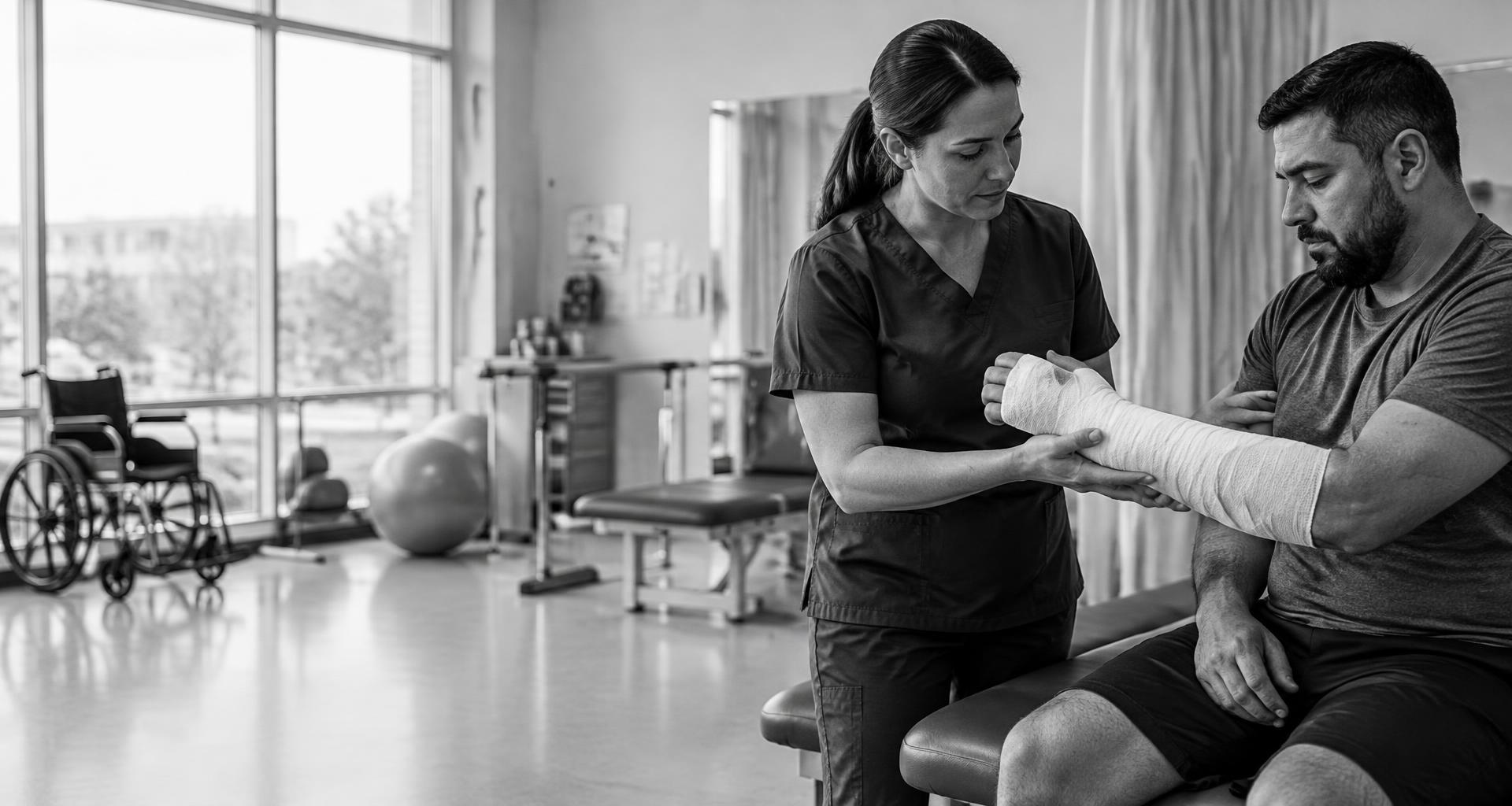
Illustrative injured warehouse worker

From Michael's website

A closer look at your options.

Original Delaware injury articles, with legal sources and dates on new posts.

Read Michael's articles

A conversation, not a commitment

Big questions.
One step at a time.

You do not need every answer before you call. Start with what happened and what you need now.

01

Your story

Tell me about the injury and the questions weighing on you.

02

Your options

I review the circumstances and explain what an evaluation involves.

03

Your next step

Decide how to move forward, with no obligation to hire me.

Call Michael

Request a free consultation

Tell me what happened.

Send your information and I will reach out to you personally. Every message comes directly to me — no paralegal, no middleman. Prefer to talk now? Call 302-290-4646.

Submitting this form does not create an attorney-client relationship. Please do not include confidential details until we have spoken.