Delaware Truck Accident Lawyer

Trucking Accidents. Serious injuries need serious attention.

A collision with a tractor-trailer or another commercial truck can change your life in seconds. I help injured Delawareans preserve critical evidence, identify the responsible parties, and pursue the claims supported by their injuries and losses.

Free consultation

What matters now

Protect your health. Preserve the trucking evidence.

Commercial truck cases involve more than a police report and photographs. Driver logs, electronic data, dashcam footage, and maintenance records may explain what happened. Some evidence can be overwritten or lost, making early preservation especially important.

01

Get medical care and call for help

Call 911 when someone is injured or there is an emergency. Move to safety if you can, and seek appropriate medical care even if symptoms initially seem minor. Ask how to obtain the police report and keep records of your treatment.

02

Record the vehicle and carrier information

If it is safe, photograph the vehicles, damage, road conditions, and markings identifying the trucking company. Save the truck's license plate, any visible USDOT number, witness contacts, and your own footage. Do not approach damaged equipment or enter the roadway to gather evidence.

03

Contact me before resolving the injury claim

An attorney can seek preservation of relevant electronic logging records, onboard data, video, inspection reports, and maintenance records. Meet applicable reporting obligations and keep insurer communications, but obtain legal advice before giving a recorded statement or signing a release. A quick settlement may not account for ongoing treatment.

Looking beyond the driver

A commercial truck crash can involve more than one responsible party.

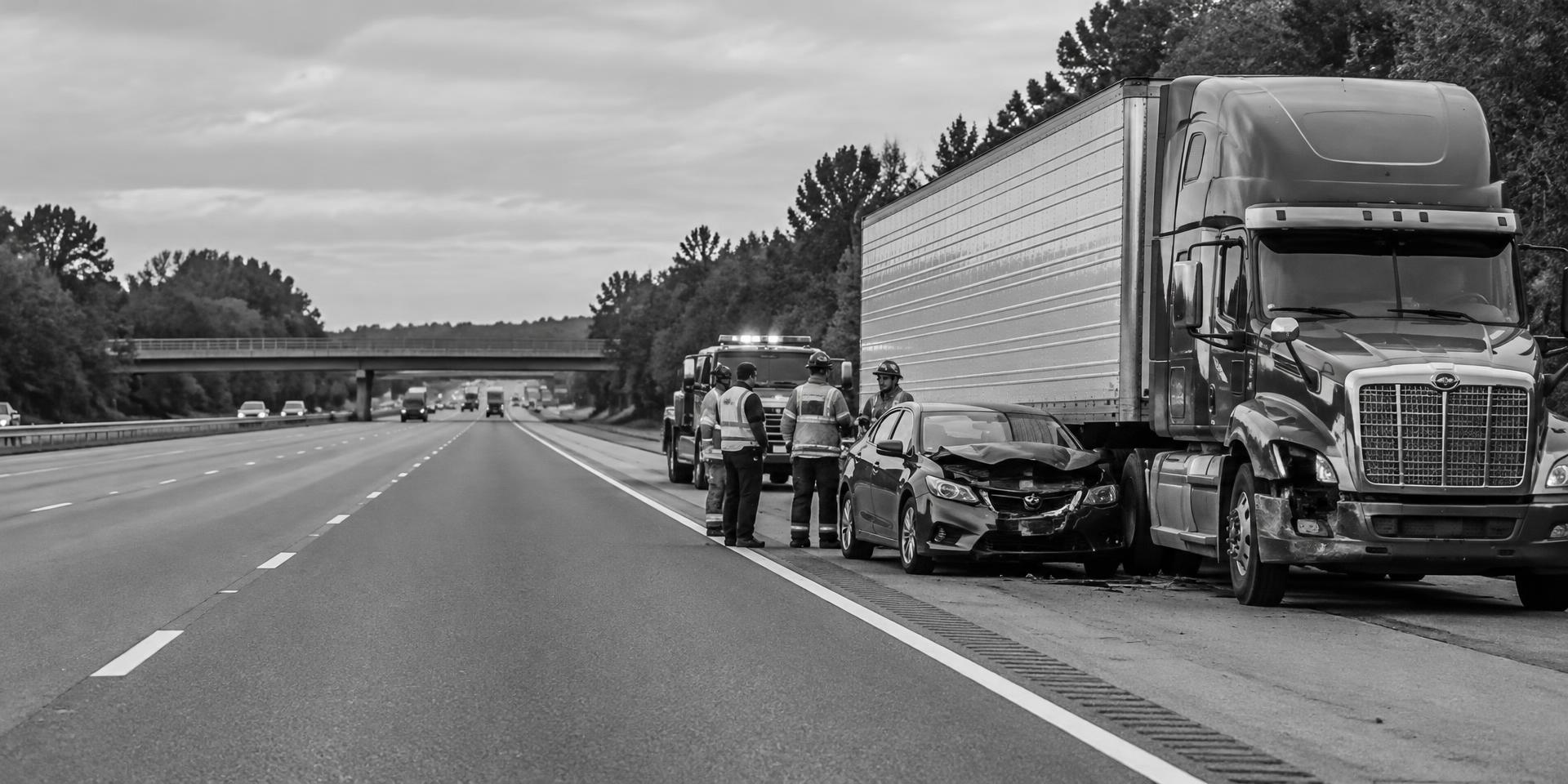
A collision on I-95, I-495, Route 1, or another Delaware roadway may involve a driver, a motor carrier, and companies responsible for loading or maintaining the truck. The investigation must connect each party's conduct to the crash rather than assume every company involved is liable.

The driver and motor carrier

Speed, distraction, fatigue, and unsafe maneuvers can be relevant to driver negligence. The carrier's hiring, training, supervision, dispatch practices, and relationship with the driver may also matter. Applicable federal safety rules help guide the review, but a violation alone does not answer every liability question.

Loading and maintenance companies

Shifting cargo, improper securement, brake problems, or unsafe tires may point to additional causes. Loading records and maintenance histories can help identify who performed the work and whether a failure contributed to the collision.

Manufacturers and other motorists

A defective truck component may warrant a product-liability investigation. Another driver's conduct may also contribute to a multi-vehicle collision. Reconstruction and technical review can help distinguish the causes and identify supported claims.

The full impact of the crash

Your claim is about more than the damage to your vehicle.

The size and weight of a commercial truck can leave people with brain injuries, spinal injuries, fractures, and lasting limitations. A Delaware claim needs to document the medical and financial consequences while accounting for the applicable insurance and legal rules.

Medical treatment and future care

Emergency care, surgery, rehabilitation, medication, and supported future treatment needs help explain the extent of your losses. Delaware personal injury protection benefits may help with eligible medical expenses and lost earnings, depending on the policy and circumstances.

Lost income and earning capacity

Missed wages are only part of the picture. Medical opinions and employment records can help show how an injury affects your ability to return to your job or earn a living in the future. Vehicle damage and other documented expenses may also be relevant.

Pain, lasting limitations, and family loss

A supported negligence claim may address pain and suffering and other legally recoverable losses. A fatal crash requires a separate assessment of wrongful death and estate claims. The evidence, applicable law, and available coverage determine what can be pursued; no result is guaranteed.

How I help

I investigate the crash and the commercial operation behind it.

At McCann Dillon Jaffe & Lamb, I examine the collision, the available trucking records, and the responsibilities of the people and companies involved. When appropriate, accident reconstruction or other technical experts can help assess the evidence. I review the driver's actions, the carrier's practices, and any supported equipment or cargo-related issues rather than treating a truck crash as an ordinary insurance claim. I document your treatment, lost income, and lasting needs, identify potentially applicable policies, and prepare supported claims for negotiation or litigation. A company's location outside Delaware does not eliminate the need to investigate a crash here, but the proper parties and forum require careful review. You can reach me directly at 302-290-4646 at my Wilmington office while you focus on recovery.

A closer look

Clear answers at a difficult time.

Why is a truck case different from a car accident claim?

Commercial truck cases may involve multiple companies, specialized electronic records, and federal safety regulations alongside Delaware law. Determining who controlled the truck and who caused the crash can require more than the initial accident report.

Can the trucking company be held responsible?

Potentially. Responsibility may arise from the driver's relationship with the carrier or the company's own negligent conduct. The facts, contracts, and applicable law must be evaluated. A company name on the truck does not establish liability by itself.

What if the truck driver says I was in a blind spot?

That statement does not resolve fault. Lane position, signals, vehicle movement, footage, and witness accounts may help explain the collision. Delaware's comparative negligence rules can affect a claim, so fault should be evaluated from the evidence rather than accepted from one party's account.

What records should be preserved?

Potential evidence includes driver logs, electronic logging device records, onboard vehicle data, dashcam footage, dispatch communications, inspection and maintenance records, and cargo documentation. Availability varies by vehicle and operation. Contact me promptly so relevant preservation steps can be considered.

How long do I have to take legal action?

Delaware filing deadlines and insurance reporting requirements depend on the claims and circumstances. Do not rely on a deadline published for Arizona or another state. An early review helps identify the applicable time limits and preserve evidence before it disappears.

What should I bring to a free consultation?

Bring crash report information, photographs, witness contacts, truck and carrier details, insurance correspondence, and a summary of treatment and missed work. You do not need a complete file to call. I can explain the next steps and any representation terms before you decide whether to proceed.

Start with a conversation

You do not have to sort this out alone. One call is all it takes to get the answers you need.

Stay connected

Michael. Beyond the case.

@yourinjuryguy
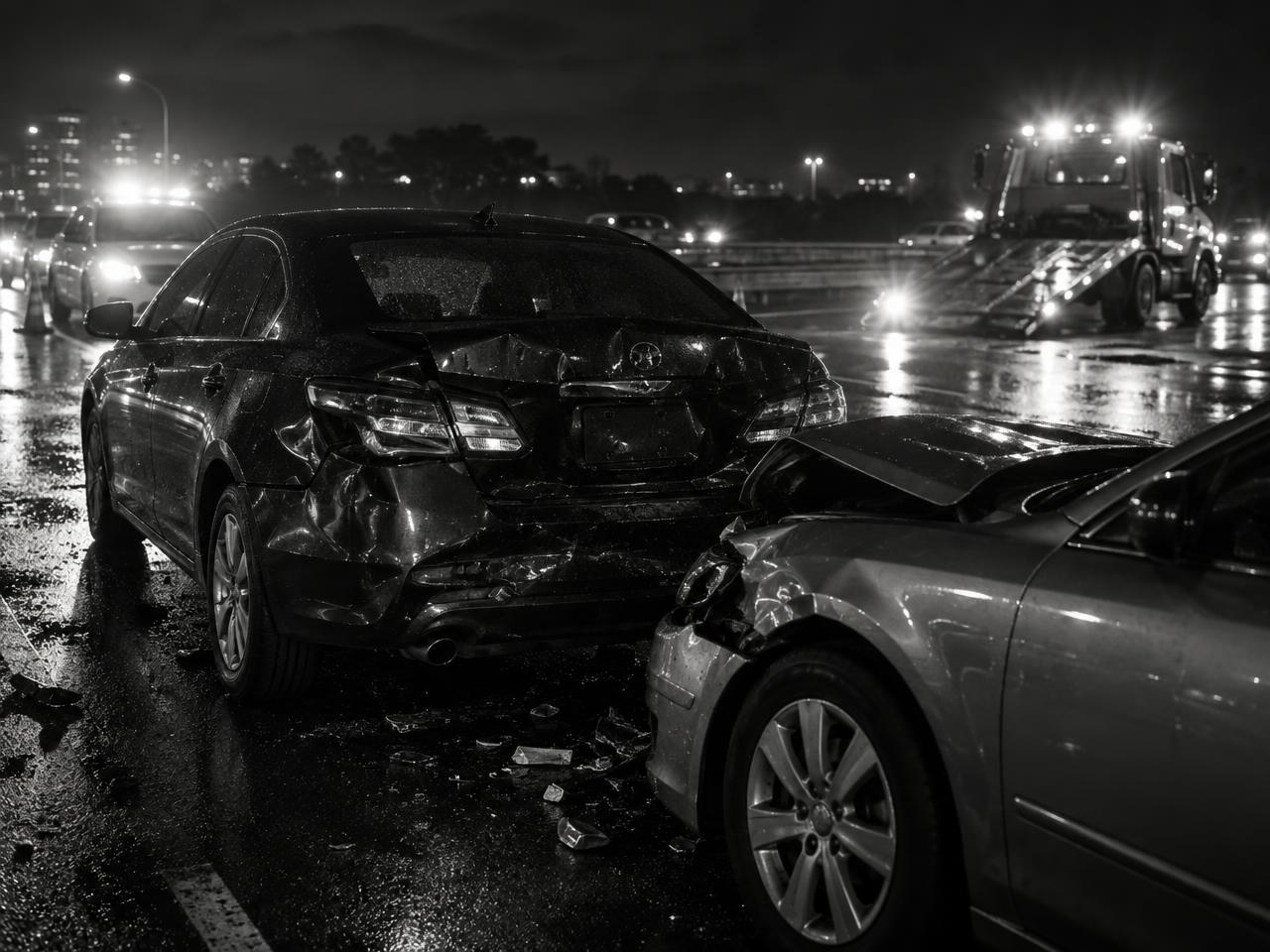
Illustrative car collision

From Michael's website

Questions after a Delaware injury?

PIP coverage, filing periods, workers' compensation and railroad claims.

Read Delaware FAQs
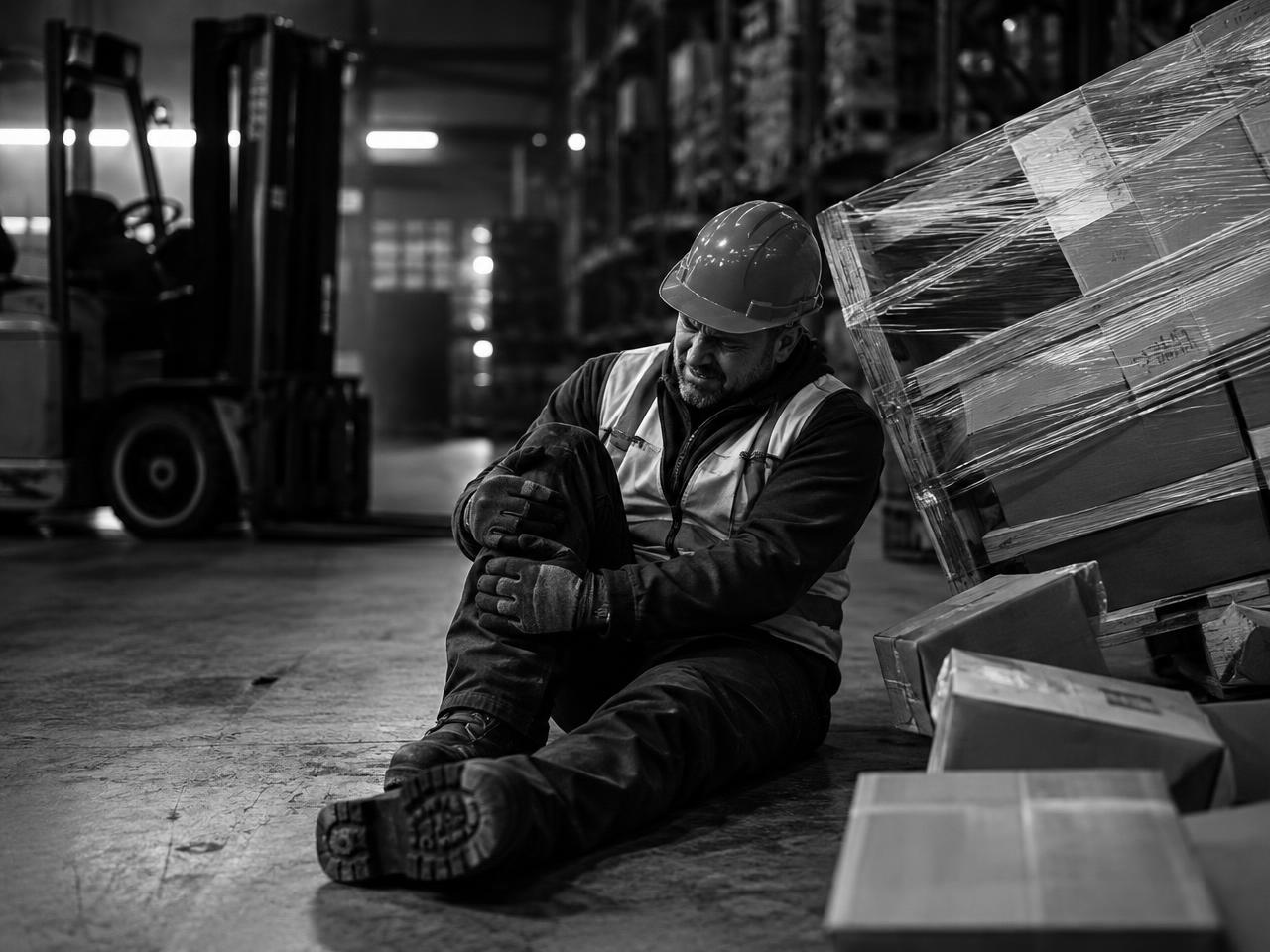
Illustrative injured warehouse worker

From Michael's website

A closer look at your options.

Original Delaware injury articles, with legal sources and dates on new posts.

Read Michael's articles

A conversation, not a commitment

Big questions.
One step at a time.

You do not need every answer before you call. Start with what happened and what you need now.

01

Your story

Tell me about the injury and the questions weighing on you.

02

Your options

I review the circumstances and explain what an evaluation involves.

03

Your next step

Decide how to move forward, with no obligation to hire me.

Call Michael

Request a free consultation

Tell me what happened.

Send your information and I will reach out to you personally. Every message comes directly to me — no paralegal, no middleman. Prefer to talk now? Call 302-290-4646.

Submitting this form does not create an attorney-client relationship. Please do not include confidential details until we have spoken.