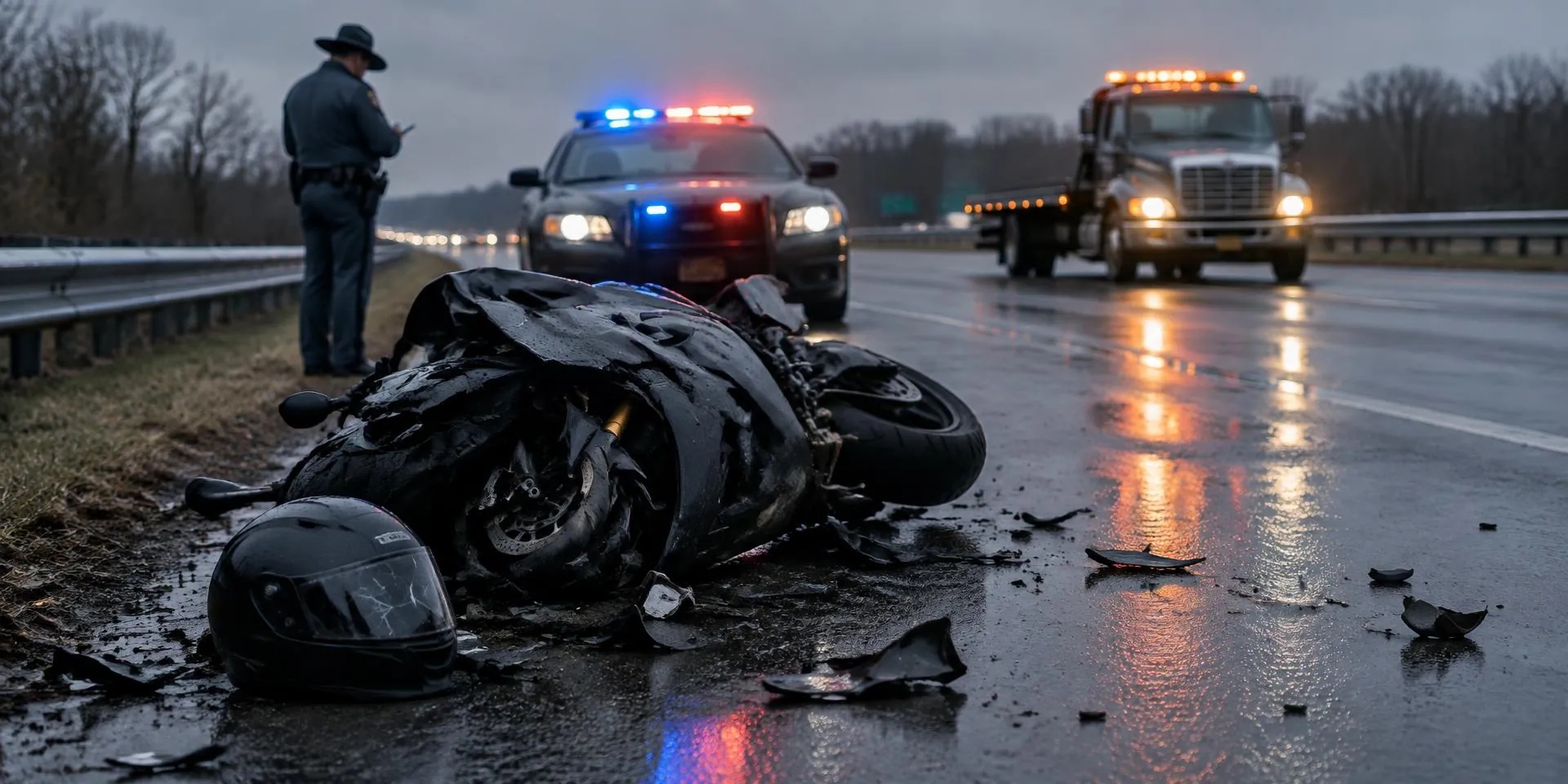
A damaged motorcycle on a wet road beside emergency vehicles

Delaware Motorcycle Accident Lawyer

Delaware Motorcycle Accident Lawyer

Riders have almost no protection in a crash. When a driver turns left in front of you, drifts into your lane or never sees you, the injuries are often life-changing and insurers are quick to blame the rider.  I stand up for injured motorcyclists and passengers across Delaware.

Free consultation

What matters now

Protect your health.  Preserve the evidence.

The right next steps depend on how you were injured. Medical records, witness information and timely evidence preservation help explain what happened and how it has affected your life. I can review your situation and identify what needs attention.

01

Get medical care right away

Motorcycle injuries such as head trauma, fractures and road rash can be worse than they first appear. Get evaluated at an emergency room or urgent care and follow up with your doctors so your injuries are documented.

02

Preserve the evidence

Call 911 so a police report is made. Photograph the scene, your bike, your helmet and gear, and your injuries. Keep damaged gear — it can show how the crash happened. Get witness names and numbers.

03

Call me before talking to insurers

Adjusters often assume the rider was speeding or reckless. Do not give a recorded statement or sign anything before we talk. I will handle the insurance companies for you.
How I help

Riders deserve a lawyer who will not accept the bias against them.

Juries and insurance adjusters sometimes bring assumptions about motorcyclists into a case. I build the facts by focusing on scene evidence, witness accounts, vehicle damage and medical proof so your claim is judged on what actually happened. While you focus on healing, I will work to get your medical bills and lost wages addressed and prepare your case to be valued fully, including long-term care, future lost income and pain and suffering.

A closer look

Clear answers at a difficult time.

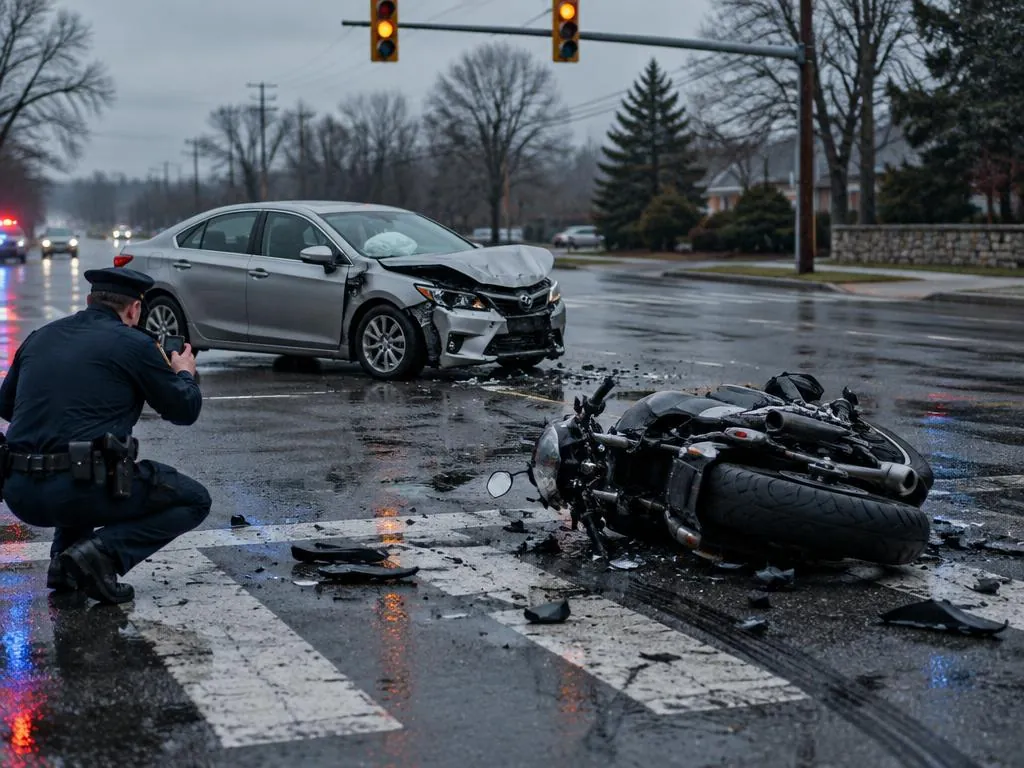
An officer documenting a motorcycle collision at an intersection

What should I do after a motorcycle accident in Delaware?

Get to safety and call 911 so police respond and make a report. Get medical care, even if you feel okay. Take photos of the scene, vehicles, gear and injuries, collect witness information, and keep your damaged helmet and gear. Then talk to a lawyer before giving any statement to an insurance company.

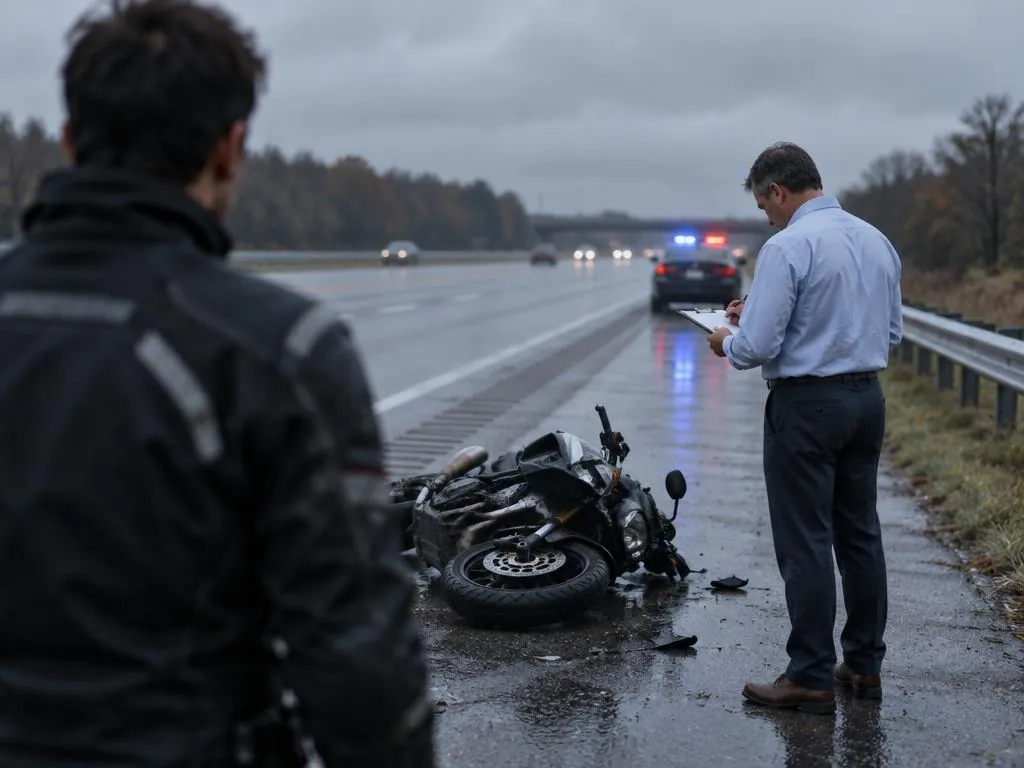
People inspecting a fallen motorcycle at the roadside

Where do motorcycle crashes happen in Delaware?

Crashes happen statewide, but busy, high-speed corridors carry the most risk — Route 1, US 13, US 113, US 40 and I-95 — along with rural two-lane roads in Kent and Sussex Counties and crowded summer beach routes like Coastal Highway and Route 26.

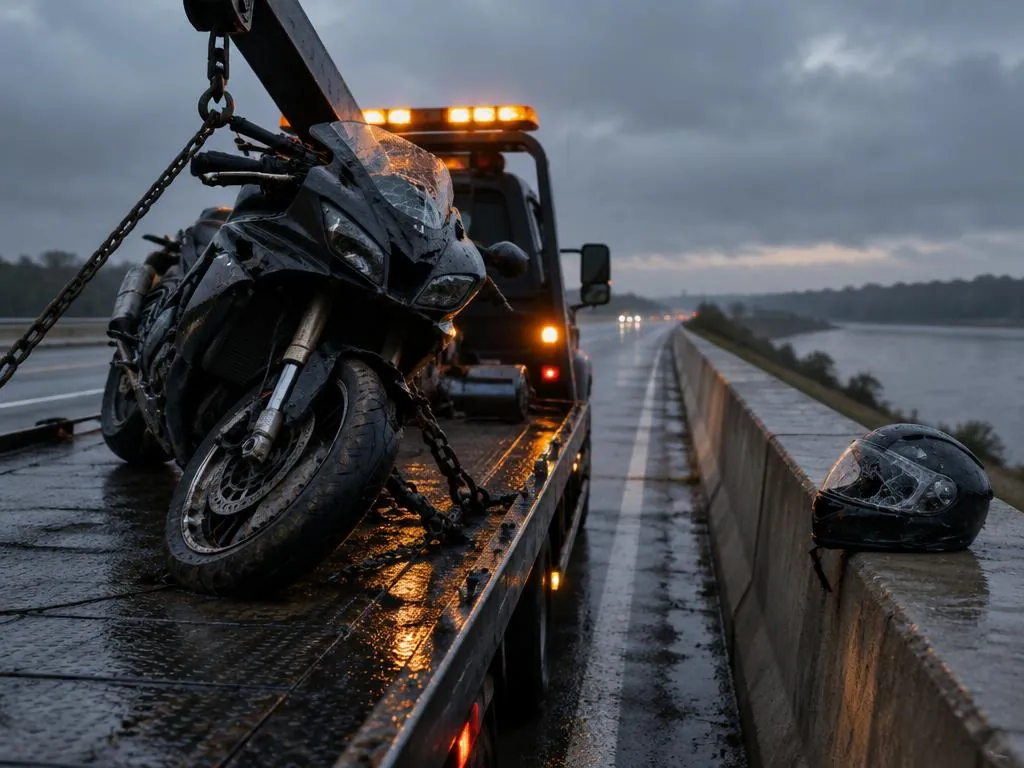
A damaged motorcycle secured on a recovery truck

What are the most common motorcycle crash scenarios?

Drivers turning left in front of an oncoming rider, vehicles changing lanes into a motorcycle, rear-end collisions at lights or in traffic, drivers pulling out from side streets or driveways, and car doors opened into a rider's path. Many of these come down to a driver who says they never saw the motorcycle.

An officer documenting a motorcycle collision at an intersection

What if a truck or its cargo caused my crash?

Crashes caused by commercial trucks, unsecured loads or debris can involve several responsible parties — the driver, the trucking company, the shipper or the company that loaded the cargo. These cases need fast action to preserve the truck's records and data.

People inspecting a fallen motorcycle at the roadside

Does not wearing a helmet hurt my claim in Delaware?

Delaware requires riders under 19 to wear a helmet, and riders 19 and older must carry one; all riders must wear eye protection. Not wearing a helmet does not mean you have no claim — the driver who caused the crash is still responsible — but an insurer may argue it made certain injuries worse. That is a fact question I address in every case.

A damaged motorcycle secured on a recovery truck

Does a missing motorcycle endorsement affect my claim?

Delaware requires a motorcycle endorsement to ride legally, and riding without one can bring a ticket. But a missing endorsement does not by itself prove you caused the crash. What matters is who was at fault for the collision.

An officer documenting a motorcycle collision at an intersection

Can I still recover if I was splitting lanes?

Delaware law does not allow riding between lanes of traffic, so an insurer will likely argue you were partly at fault. Under Delaware's modified comparative negligence rule, you can still recover as long as you were not more at fault than the other parties, but your recovery is reduced by your share of fault.

People inspecting a fallen motorcycle at the roadside

What injuries do motorcycle crashes cause?

Traumatic brain injuries, spinal cord injuries, broken bones, road rash and skin grafts, internal injuries, amputations and facial injuries are common. Many require surgery, long rehabilitation and time away from work.

A damaged motorcycle secured on a recovery truck

How is a claim valued when injuries are long-term?

Value depends on medical bills now and in the future, lost wages and lost earning capacity, the need for ongoing care, and the pain, scarring and limits on your life. Long-term cases often need input from your doctors and other experts to show future needs.

An officer documenting a motorcycle collision at an intersection

Which insurance policies can pay a motorcycle claim?

Possible sources include the at-fault driver's liability coverage, your own uninsured/underinsured motorist coverage, any medical payments or PIP coverage on your motorcycle policy, and sometimes other household auto policies. PIP rules for motorcycles differ from cars, so your specific policies need to be reviewed.

People inspecting a fallen motorcycle at the roadside

Can a motorcycle passenger make a claim?

Yes. A passenger can bring a claim against any driver who caused the crash — including, in some cases, the operator of the motorcycle they were riding on. Passengers are rarely at fault, and their claims are reviewed under the available policies.

A damaged motorcycle secured on a recovery truck

What should I avoid saying to an insurance adjuster?

Avoid apologizing, guessing about speed or distance, downplaying your injuries, or giving a recorded statement. Do not post about the crash or your recovery on social media. Let me speak with the adjusters for you.

An officer documenting a motorcycle collision at an intersection

Who is responsible for a dangerous road?

Potholes, uneven pavement, gravel, missing signs or poorly designed work zones can cause motorcycle crashes. Depending on the road, responsibility may fall on a government agency or a contractor, and claims against public entities can have special rules, so act quickly.

People inspecting a fallen motorcycle at the roadside

What is the deadline to sue after a Delaware motorcycle crash?

Most Delaware personal injury lawsuits must be filed within two years of the crash. Wrongful death claims and claims involving government entities can have their own timing rules. Waiting can make evidence harder to find, so it is best to talk to a lawyer early.

A damaged motorcycle secured on a recovery truck

Can I recover if I was partly at fault?

Yes, in many cases. Under Delaware's modified comparative negligence rule, you can recover as long as your share of fault is not greater than the combined fault of those you sue, and your compensation is reduced by your percentage of fault.

An officer documenting a motorcycle collision at an intersection

Can I reach Michael after hours?

Yes. Call or text my cell at 302-290-4646 or use the form on this page. I will meet you wherever you are in Delaware, including at the hospital or your home.

Start with a conversation

You do not have to sort this out alone. One call is all it takes to get the answers you need.

Request a free consultation

Tell me what happened.

Send your information to request a free consultation with Michael. Prefer to talk now? Call 302-290-4646.

Submitting this form does not create an attorney-client relationship. Please do not include confidential details until we have spoken.